Chesapeake Bay
The Chesapeake Bay Restoration is in Deep Trouble
The wheels are coming off the commitments by federal and state governments to get the job done and assure a flourishing ecological treasure.
When I joined 700 other hopeful bay caretakers at the signing of the first Bay Restoration Agreement in Virginia in 1983, I was optimistic we would succeed in restoring the bay. If the bright-eyed, full of hope leaders back in 1983 had envisioned a nightmare scenario for the Bay’s future, we are in it now!
Read MoreCode red: for the Chesapeake Bay
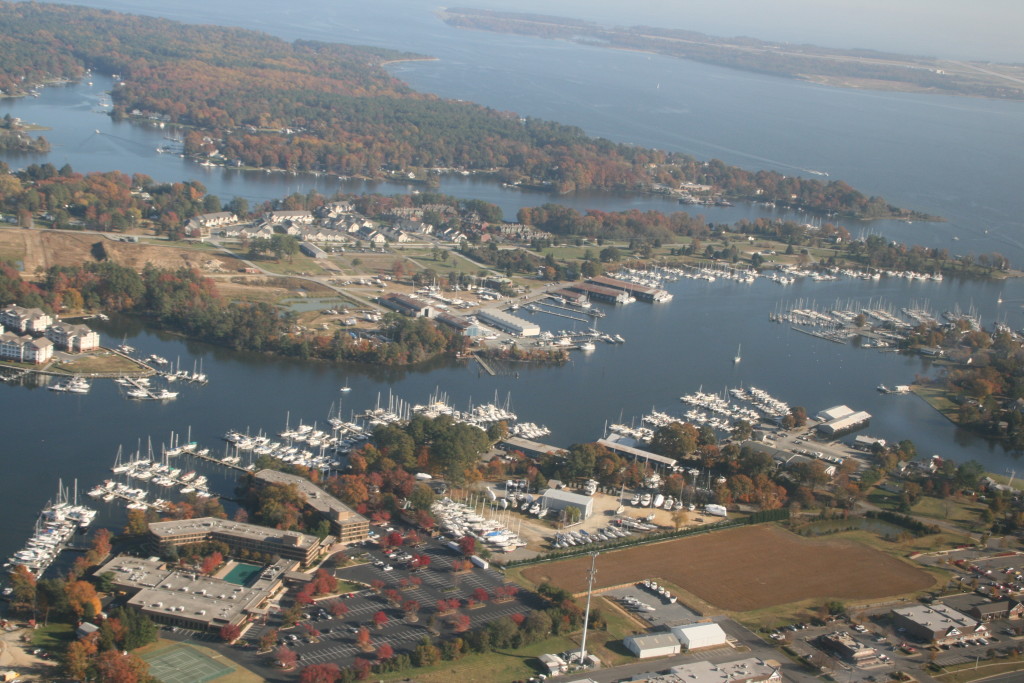
In December 1983, 35 years ago, the bay states and EPA solemnly pledged to restore the bay in signing the first Bay Agreement. President Ronald Reagan budgeted $40 million for the new Bay Program over four years and said in his 1984 State of the Union that: “We will begin the long, necessary effort to clean up a productive recreational area and a special national resource — the Chesapeake Bay.”
These lofty expectations may be crushed…
Draft of new Bay agreement undermines cleanup
Our group found serious shortcomings in the draft of the first Bay agreement in 14 years, the first after the mandatory adoption of the pollution diet under the Chesapeake Bay Total Maximum Daily Load and state watershed implementation plans. We fear the current draft may undermine, not advance, Bay cleanup efforts.
Read MoreBay agreement efforts are foundering
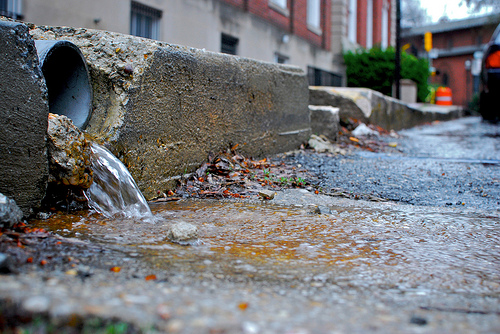
If, in 1983, we were to create a nightmare scenario for the bay, this would be it — we are living that nightmare! The cause of this decline is attributable to the failure to properly address pollutants from developed land — stormwater runoff — and from agricultural operations. About 90 percent of bay waters remain polluted in violation of the Clean Water Act
Read MoreAg Certainty: Making Certain that the Bay Remains Polluted
With Ag Certainty, we’ve just thrown a “critical” part of the TMDL out the window; the only real “certainty” that remains is that we’ll all be sitting down in 2025 again and try to come up with the next, great plan to clean up the Bay.
Read MoreWar on Rural Maryland?
The costs of reversing the degradation of our rivers, streams and the bay are significant and will require sacrifices from all counties, urban and rural. We need to work together to find more cost-effective ways to reduce pollution, including pollution from the Conowingo dam. Driving a wedge between urban and rural counties by promoting a culture of victimhood will hurt that effort.
Read More